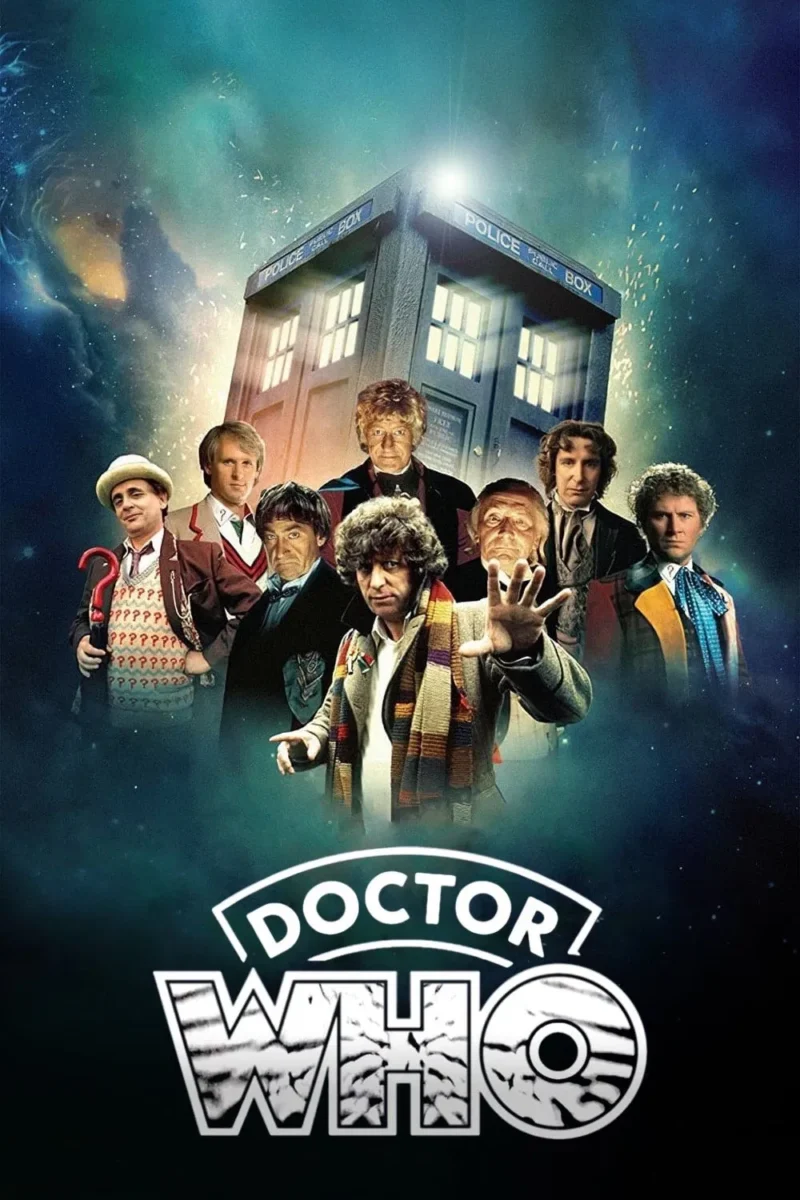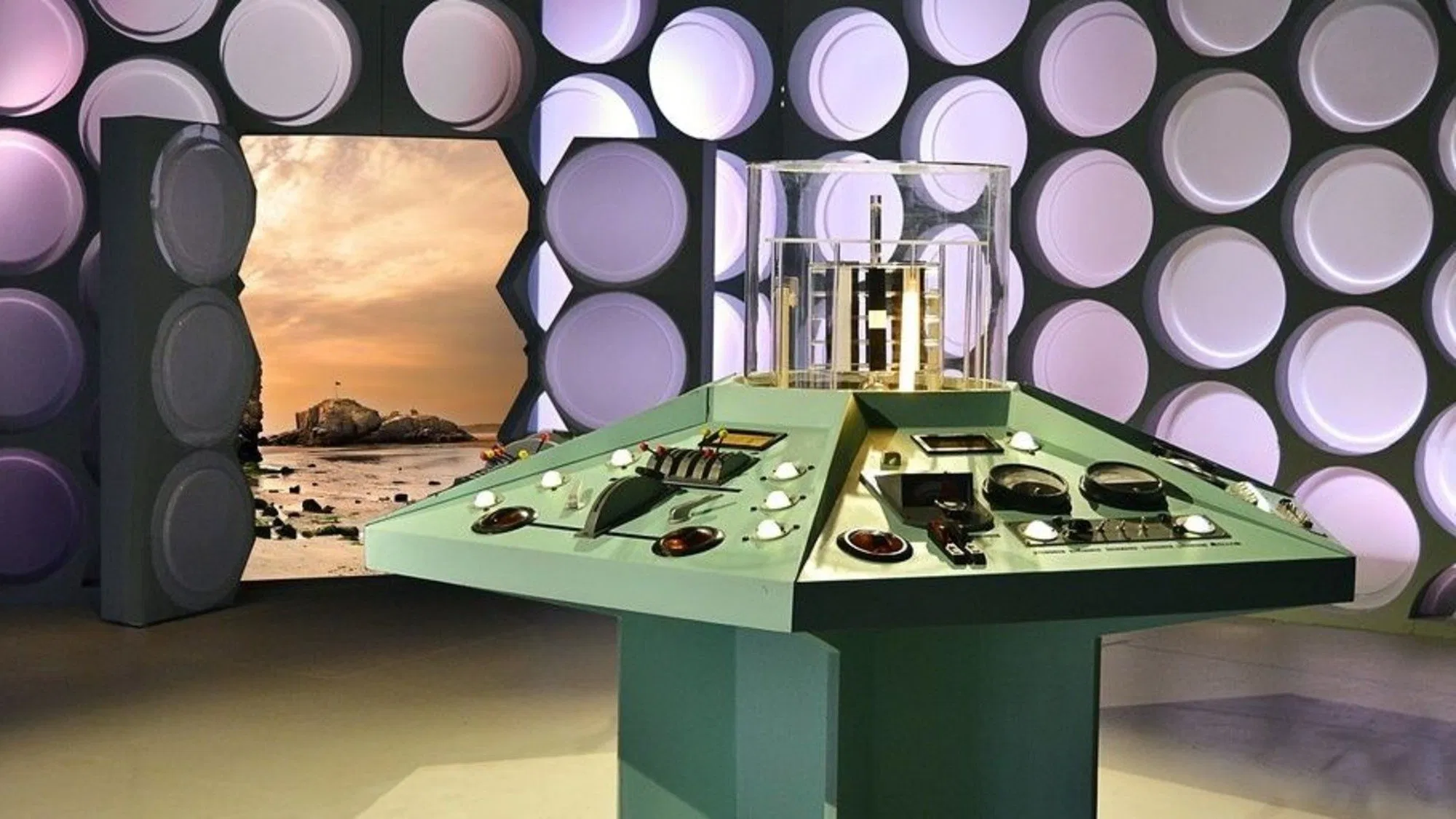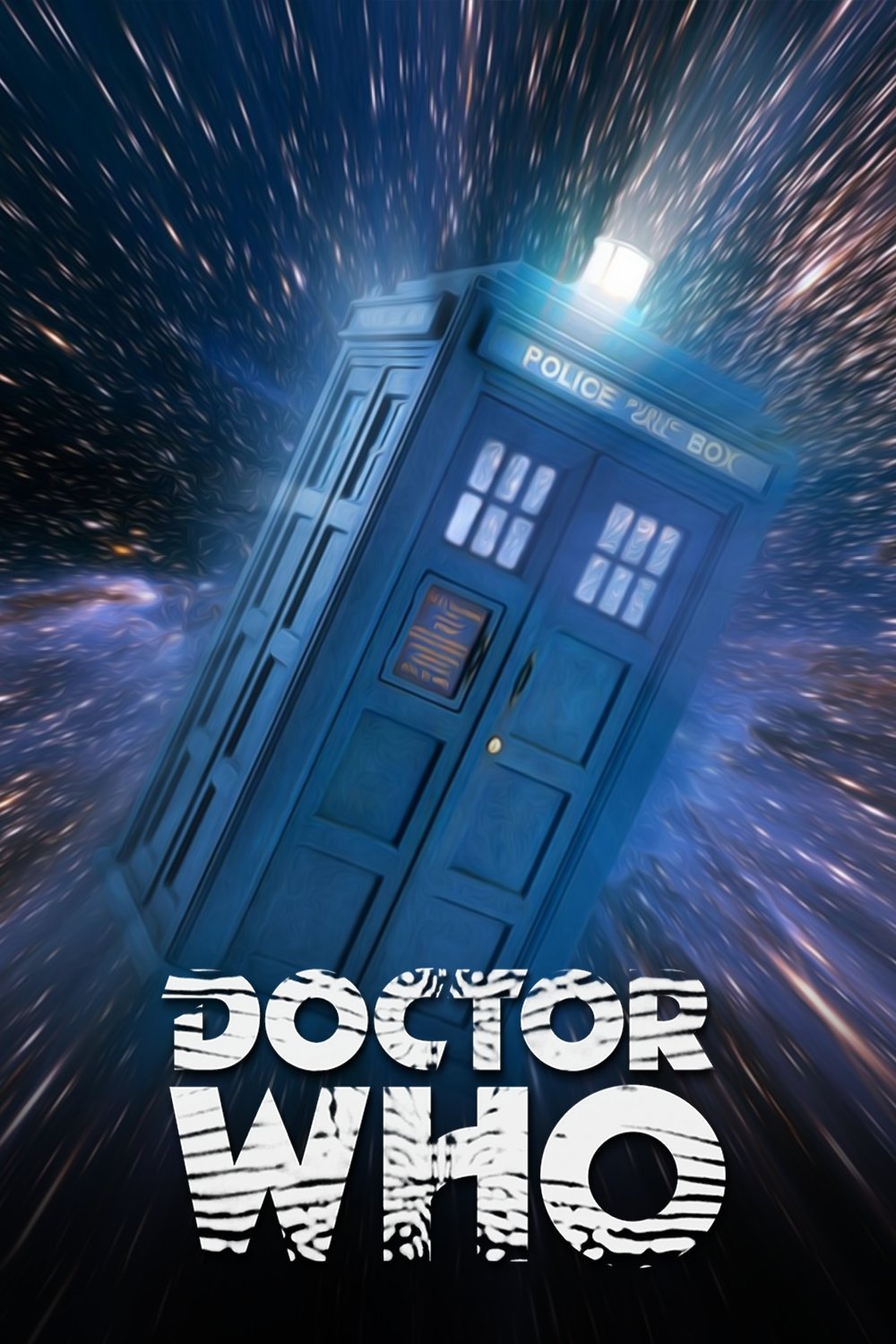
Trying to review Doctor Who as a single, cohesive entity is a bit like trying to explain time travel to a goldfish. It’s vast, contradictory, charmingly eccentric, and completely untameable. Born in the monochrome corridors of 1963 BBC ingenuity, Doctor Who began as an educational sci-fi serial meant to teach kids about history through adventure. What it became, quite accidentally, was the single most elastic storytelling concept television has ever seen: a shape-shifting alien in a blue box that can take you anywhere in time and space. That’s not a premise — that’s an infinite playground.
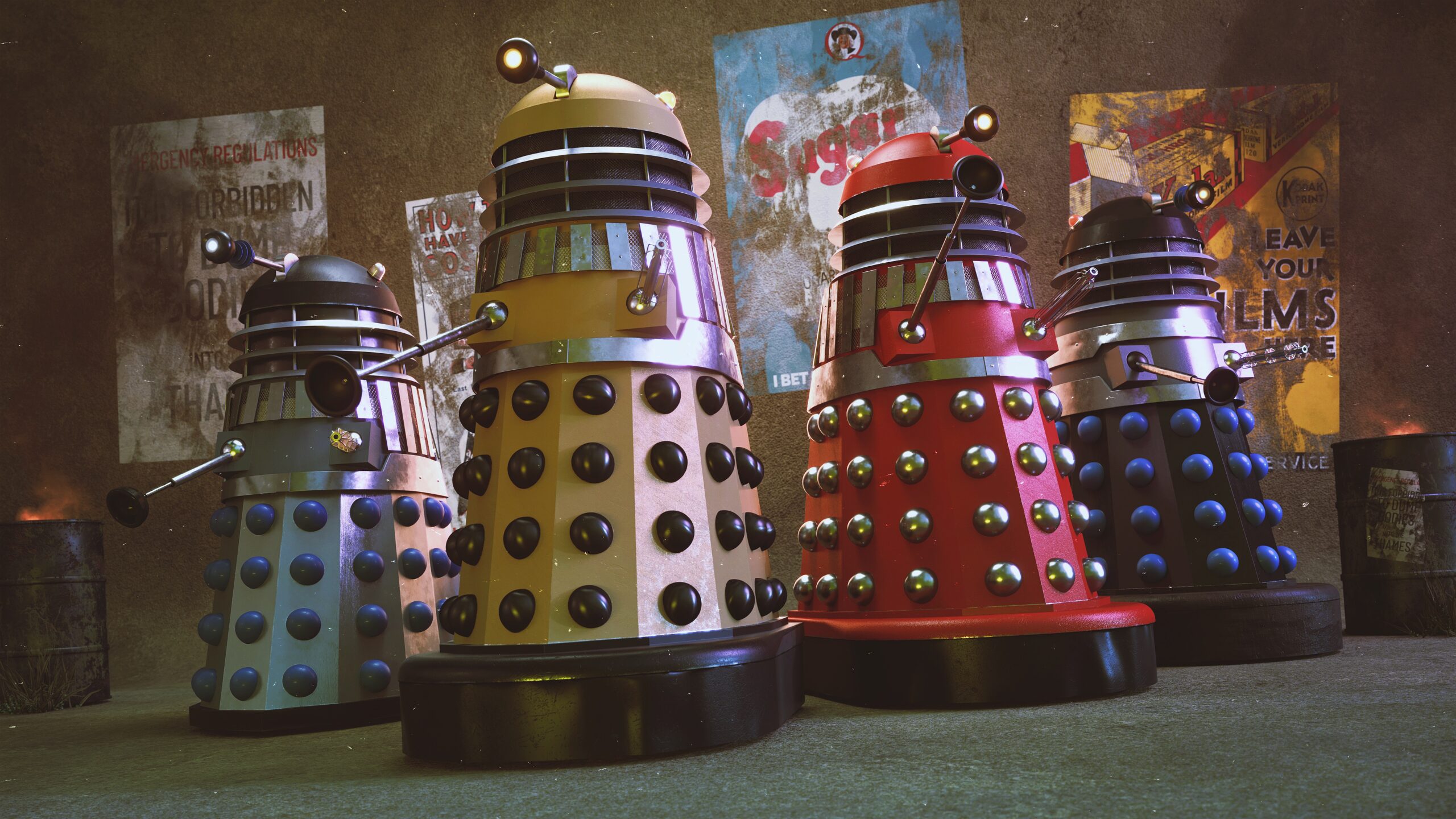
From its very first story, “An Unearthly Child,” the series captured a strange alchemy — the marriage of the familiar and the fantastic. The early years were filmed on sets so flimsy you half-expected them to blow over if someone sneezed too hard, but what it lacked in polish it made up for in imagination. The black-and-white Daleks rolling across the small screen were as terrifying as they were absurd, and by the mid-sixties, Dalekmania had seized Britain. Kids screamed, parents rolled their eyes, and suddenly these sink-plunger terrors were as big as The Beatles. There’s something delightfully British about that — a national obsession born from ply-wood and echo chambers.
As the show regenerated through the ’60s and ’70s, its lead actors became almost mythic figures in their own right. Patrick Troughton brought warmth and mischief; Jon Pertwee injected suave Venusian action-hero energy (and a surprising number of velvet capes); but it was Tom Baker, with his wild curls, alien grin, and absurdly long scarf, who cemented Doctor Who in cultural immortality. Baker’s era was the show’s crescendo — gothic, experimental, and steeped in weird philosophical dread. Stories like “Genesis of the Daleks” and “Pyramids of Mars” felt like televised mythology, each one stretching the limits of what BBC studios could pull off on a tiny budget and a prayer.
The beauty of Doctor Who’s classic era lies in its contradictions. It was both camp and profound, silly and smart. One week you’d have cardboard robots invading a quarry; the next, a meditation on morality, death, or free will hidden inside a monster-of-the-week story. It had the audacity to change its lead actor every few years — and somehow, that became its greatest trick. Regeneration wasn’t just clever plotting; it was reinvention baked into the DNA.
Of course, even time travel can’t escape the grip of reality. By the early 1980s, the BBC’s purse strings had tightened, unions were striking, and the grand old show was beginning to look its age. Doctor Who soldiered on valiantly, juggling shrinking budgets with boundless ambition. The effects may have faltered, but the spirit endured. Colin Baker’s controversial tenure gave way to Sylvester McCoy’s impish, mysterious Seventh Doctor — my personal favourite — who played the part with equal parts whimsy and danger. His era flirted with darkness and depth the show had never dared before, hinting at vast secrets in the Doctor’s past and giving the Time Lord an edge of moral ambiguity that felt way ahead of its time.
Then came 1989. The BBC pulled the plug. No big finale, no grand farewell — just an episode, “Survival,” where the Doctor and Ace walked off into the sunset with the line, “There are worlds out there…” And for sixteen years, that’s where they stayed, while the fans, the books, the audios, and the imagination of Doctor Who’s community kept the TARDIS spinning in its own way.
Looking back, the classic Doctor Who run is a triumph of creative endurance. It’s scrappy, it’s weird, it’s occasionally nonsensical — but it’s also one of the most influential works of science fiction ever broadcast. Without it, there’d be no Star Trek revival, no Red Dwarf, no oncoming storm… Every episode, no matter how small, contributed to a mythology that’s still expanding today.
The genius of the show isn’t in its effects or even its monsters (though the Daleks still rule supreme in that department). It’s in its idea — that curiosity, intelligence, and courage can triumph over brute force and fear. And that’s why, sixty years on, that old police box still means something. It’s hope. It’s adventure. It’s television magic. There’s still an awful lot of running left to do!