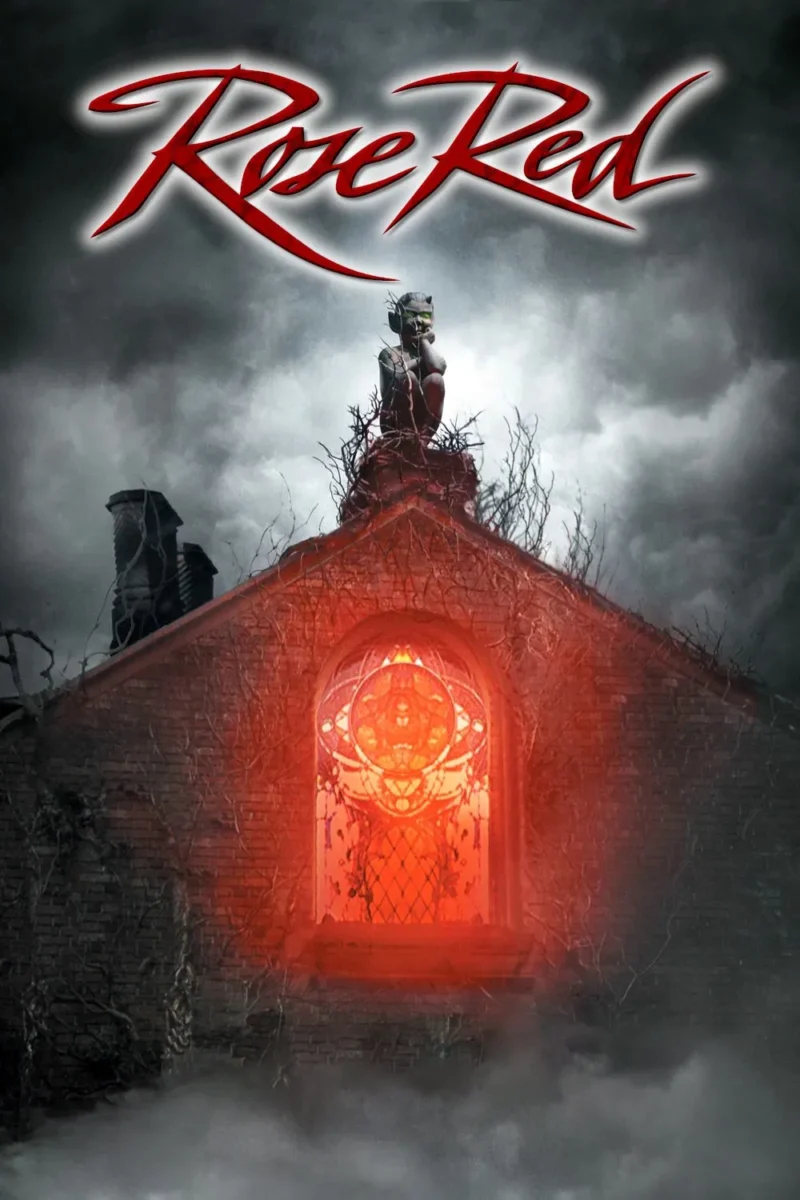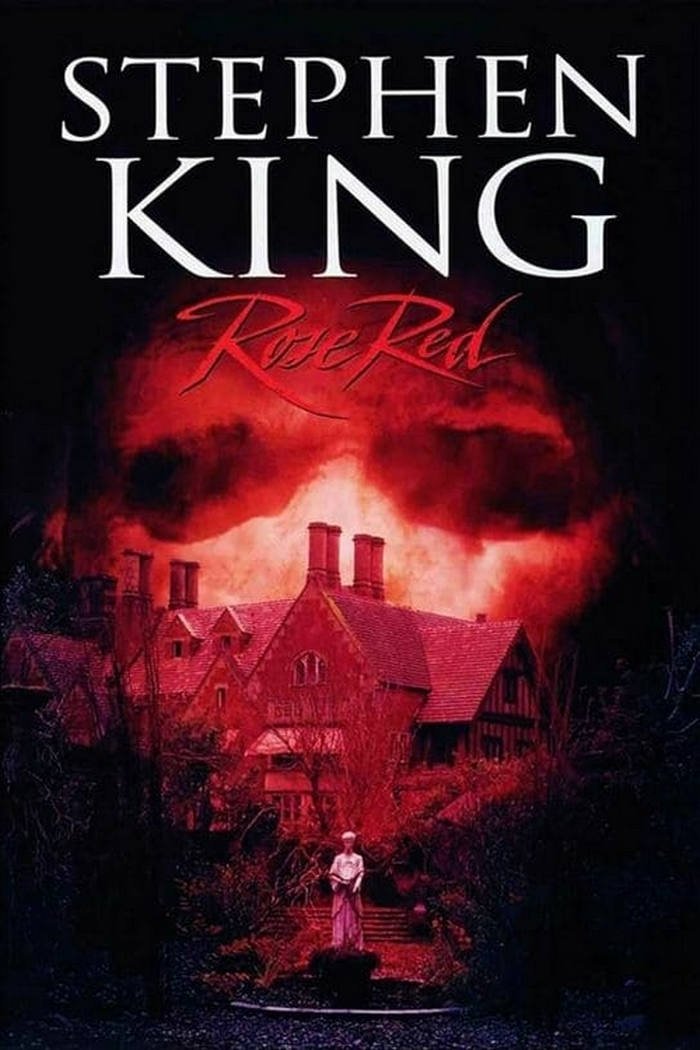
If haunted houses are your thing, then Rose Red is an all-you-can-eat buffet of shifting staircases, malevolent rooms, and doors that lead to places you really, really shouldn’t be poking around in. By the time I first sat through this TV mini-series, it was already clear Stephen King wasn’t content to let Hollywood keep all the haunted mansion glory for itself. He wanted his own vast, sprawling American answer to Shirley Jackson’s Hill House or William Castle’s House on Haunted Hill (1959), and in typical King fashion, he didn’t just bring a house—he brought an entire neighbourhood of nightmares under one roof.
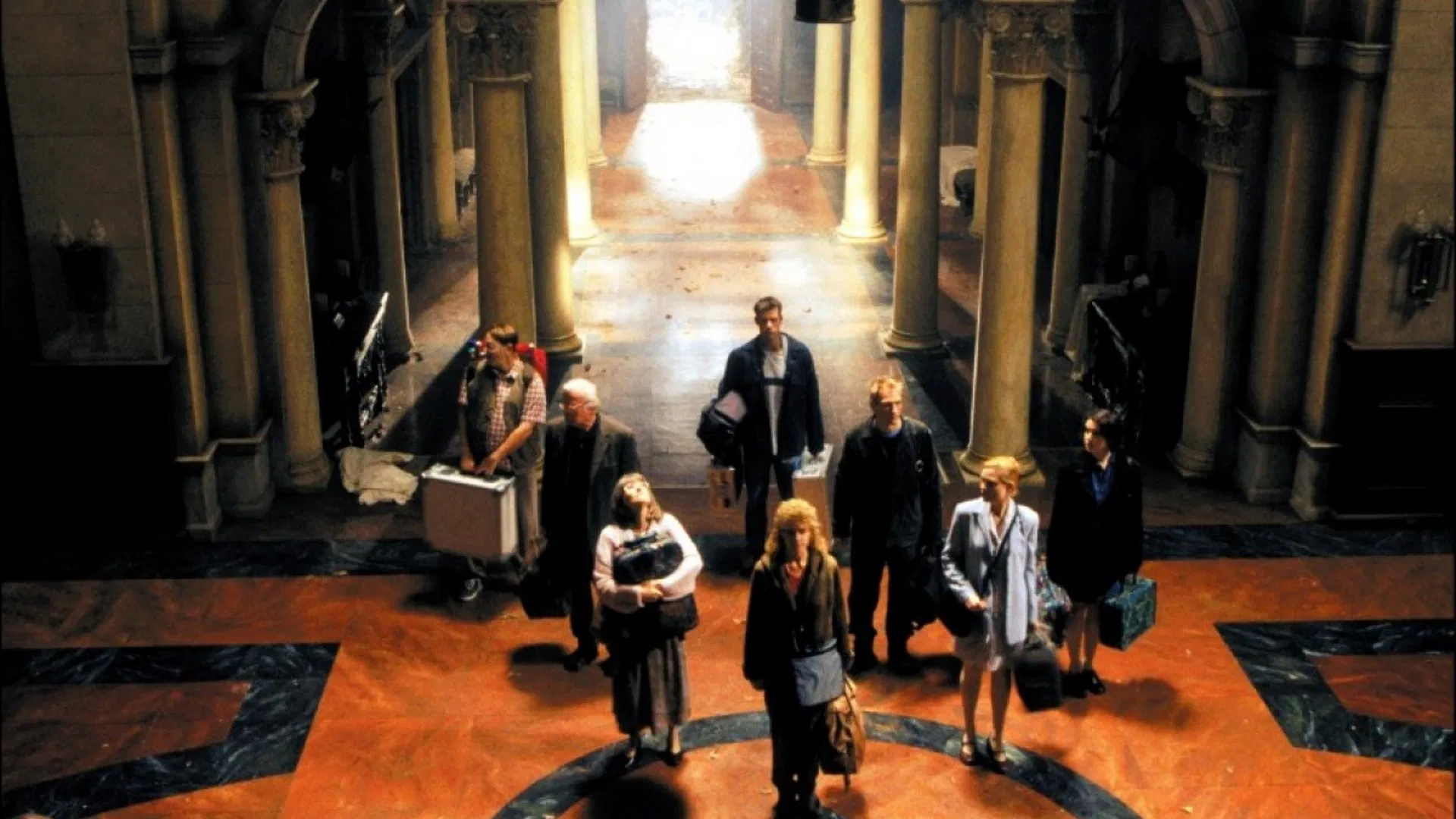
The setup is the kind of delicious pulp horror King can do in his sleep but still makes feel fresh: a parapsychology professor assembles a ragtag team of psychics and sensitives to investigate the sprawling Seattle mansion known as Rose Red. Built in the late 19th century by the enigmatic Ellen Rimbauer, the house has never stopped growing. Wings appear overnight. Hallways twist into places they didn’t exist before. Guests vanish permanently, while the ones who make it out tend not to speak much about what they saw inside. The mansion is alive, or worse—it’s hungry. And naturally, this academic field trip is less about study and more about survival once the house decides to slam its doors shut.
What makes Rose Red fascinating isn’t just the story on screen but the multimedia spiderweb it spun around itself. King and ABC went big, releasing a faux “discovered” manuscript called The Diary of Ellen Rimbauer, presented as the private journal of the mansion’s original mistress. That book gave readers a gothic backstory full of doomed marriages, whispered curses, and sinister architectural obsessions. It even spawned a prequel film in 2003, cementing the house’s mythology far beyond the confines of the mini-series. Long before “cinematic universes” became the studio buzzword of choice, King was playing with transmedia world-building, inviting fans to dive deeper into the cursed origins of the estate. It’s the kind of expansive tie-in project that today would be mined across streaming spin-offs, podcasts, and ARG websites.
Now, let’s talk runtime, because Rose Red doesn’t mess around. At a hefty 4 hours plus, it asks for your patience, and at times tests it. The mini-series format was a blessing here, because anything less than this length simply wouldn’t have given the house room to breathe (or swallow people whole). That said, there are moments where pacing drags—King takes his sweet time introducing the ensemble of characters, each with their own psychic quirks, but not all of them get the development they deserve. A full-fledged TV series might have been the better vehicle, allowing deeper dives into those backstories and expanding the dread gradually, much like The Haunting of Hill House did decades later on Netflix. As it stands, Rose Red leaves some intriguing threads dangling like cobwebs in the attic—tempting, creepy, but never fully dusted off.
The real star, of course, is the house itself. Rose Red isn’t just a set—it’s a character, a sprawling, shifting beast that eats people with as much glee as it grows new hallways. Watching its interiors change, watching its windows appear where they shouldn’t, is unsettling in a way that never loses its punch. Even the dated CGI can’t rob the mansion of its personality. In fact, there’s something charming about the early-2000s effects; they’re serviceable, occasionally ropey, but they never distract from the central conceit of the house as a malicious, sentient presence. It’s theatrical, it’s gothic, it’s garish, and it works.
Comparisons to House on Haunted Hill (1959) feel inevitable, given both films’ commitment to old-fashioned ghost story trappings. Where Castle’s movie leaned into gimmickry and tongue-in-cheek horror, Rose Red opts for a more patient, doom-laden march toward terror. The atmosphere is thick, occasionally suffocating, as the mansion closes its grip on its “guests.” The nods to the haunted house sub-genre are worn proudly, with echoes of Jackson, Castle, and even the Amityville saga, but King stamps his brand of Americana firmly across the foundation.
And yes, eagle-eyed fans get their little Easter egg treat: King himself pops up in a cameo as a pizza delivery man, the kind of playful touch he’s been slipping into adaptations for decades. It’s a wink and a nod amidst the gloom, a reminder that even within the dread, there’s fun to be had spotting the master himself.
What lingers about Rose Red, more than its sometimes-clunky CGI or uneven pacing, is its legacy. Over twenty years on, the mansion still looms large in the imaginations of horror fans. Its labyrinthine architecture and cruel sentience remain ripe for rediscovery. In fact, Rose Red feels tailor-made for a modern reboot. In today’s landscape of anthology horror and serialised streaming, you could easily envision a prestige retelling—a full season delving into Ellen Rimbauer’s twisted life, another into the investigators, another into the generations of victims swallowed by the walls. The blueprint is already there, waiting for a new production team to unearth. And if you ask me, the house has probably “claimed” a few more permanent residents in those 20+ years it’s been left to brood in pop culture memory.
So does Rose Red still work? Absolutely. It’s big, it’s brash, it occasionally overstays its welcome, but it’s also one of the last great examples of King stretching his haunted house muscles on TV. Its ambition outweighs its flaws, and the sheer atmosphere of the mansion makes up for the bits of padding along the way. It’s a ghost story with grandeur, a horror mystery with depth, and a multimedia experiment that feels ahead of its time.
Rose Red is the kind of miniseries that asks you to sit in its shadows, get comfortable, and then realise the shadows have teeth. It might not be perfect, but it is unforgettable—and that’s the mark of a true haunted house classic.