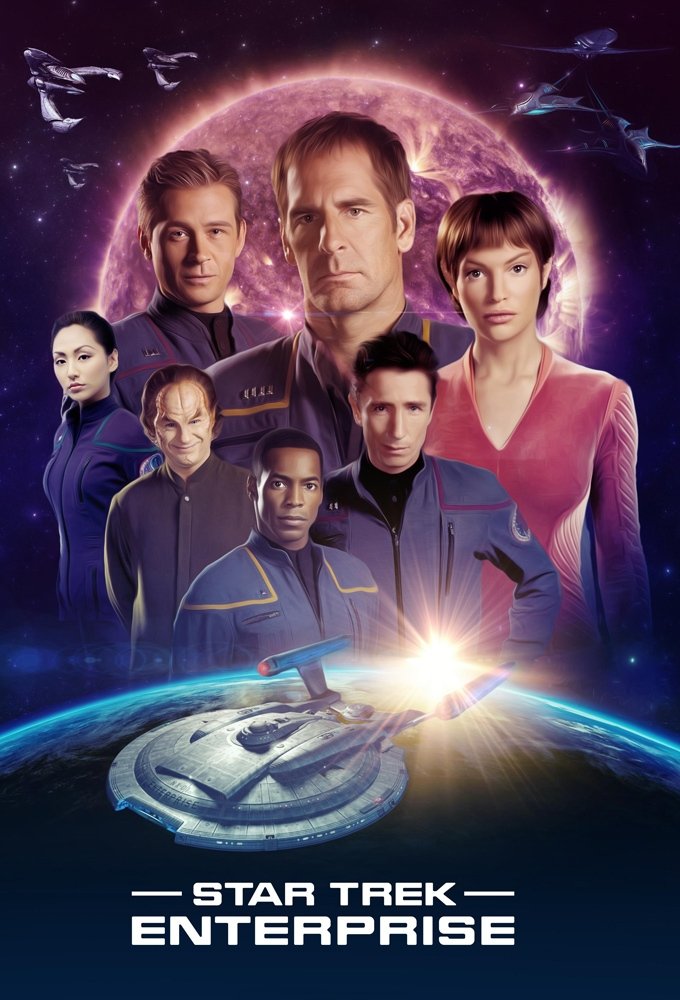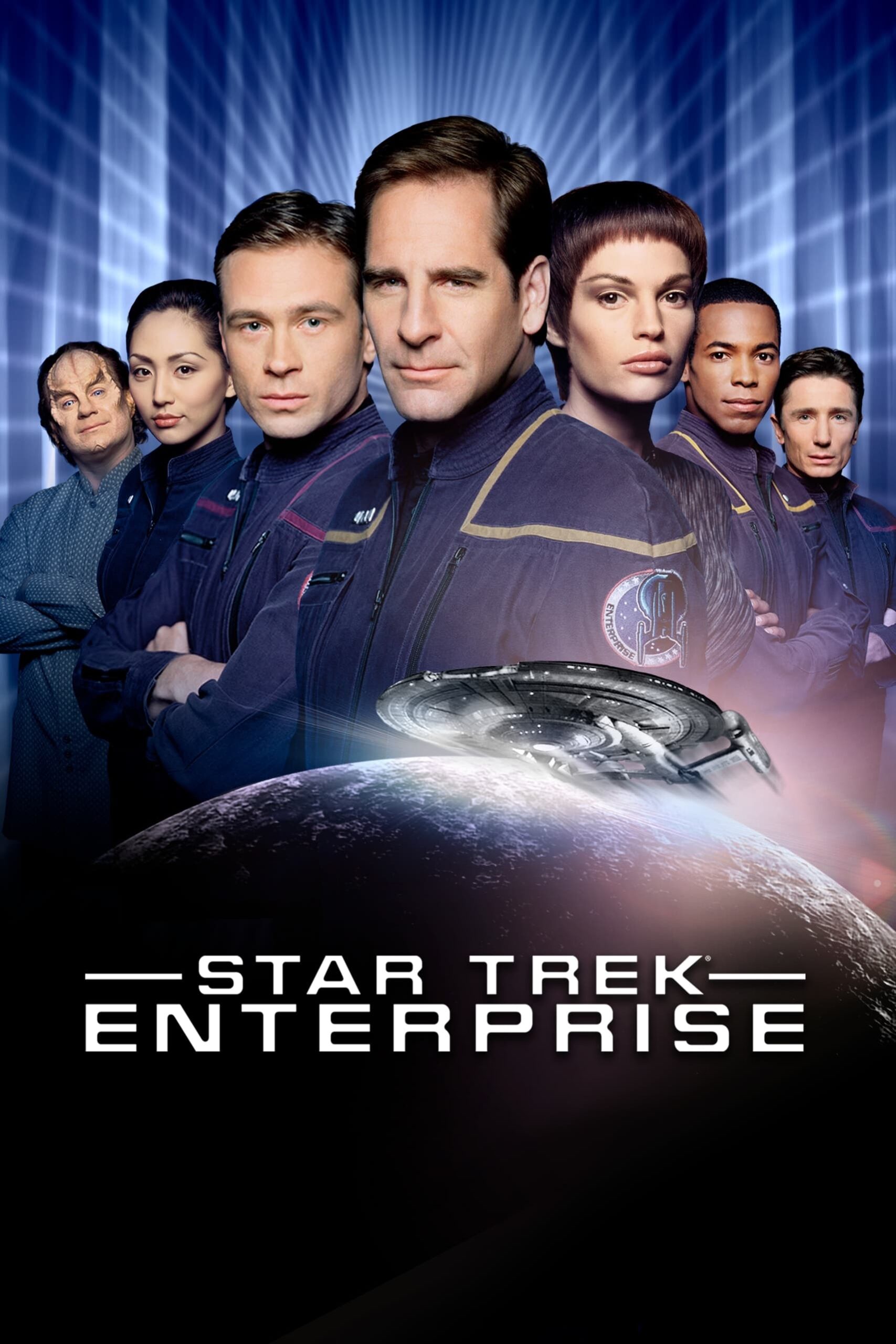
Revisiting Star Trek: Enterprise Season One on DVD more than twenty years after its first airing is like unearthing an old Starfleet log — the details might have felt shaky at the time, but there’s a sincerity and cohesion that only age and distance reveal. The initial broadcast years were not particularly kind to it, with criticism fired at its pacing, its occasionally meandering story arcs, and a lack of the rich world-building that older Trek series seemed to manage almost instinctively. Yet time has been kinder than contemporary reviews suggested, and Captain Jonathan Archer does, in fact, feel worthy of commanding the Enterprise. Scott Bakula’s Archer is a curious mix of eager explorer and reluctant diplomat, and while he sometimes comes across as the “everyman” captain, that humility anchors the show in a very pre-Original Series way.
The supporting cast holds much of the weight here. Jolene Blalock’s T’Pol hits every expected Vulcan note — logical, precise, and just a little infuriated by human impulsiveness — but she also brings a subtle vulnerability that sneaks through the cracks in that stoic façade. Connor Trinneer’s “Trip” Tucker is pure Starfleet grease monkey, the kind of engineer who seems more at home under a warp coil than in the captain’s ready room, and his easy Southern charm makes him one of the most watchable presences on the bridge. The rest of the bridge crew might not get quite as much spotlight early on, but the camaraderie is there, even if it’s more understated than in later Trek ensembles.
For all the talk of weak storytelling in Seasons One and Two, there’s a slow-burn quality to the Suliban arc that works better on rewatch. Their creeping, shadowy presence — masterminded by the unseen Temporal Cold War figure — carries echoes of DS9’s Dominion threat. There’s a similar sense of a long game being played, of chess pieces quietly moving into position long before the crew realise they’re in check. It’s not always handled with the urgency it deserves, but it’s a foundation that rewards the patient.
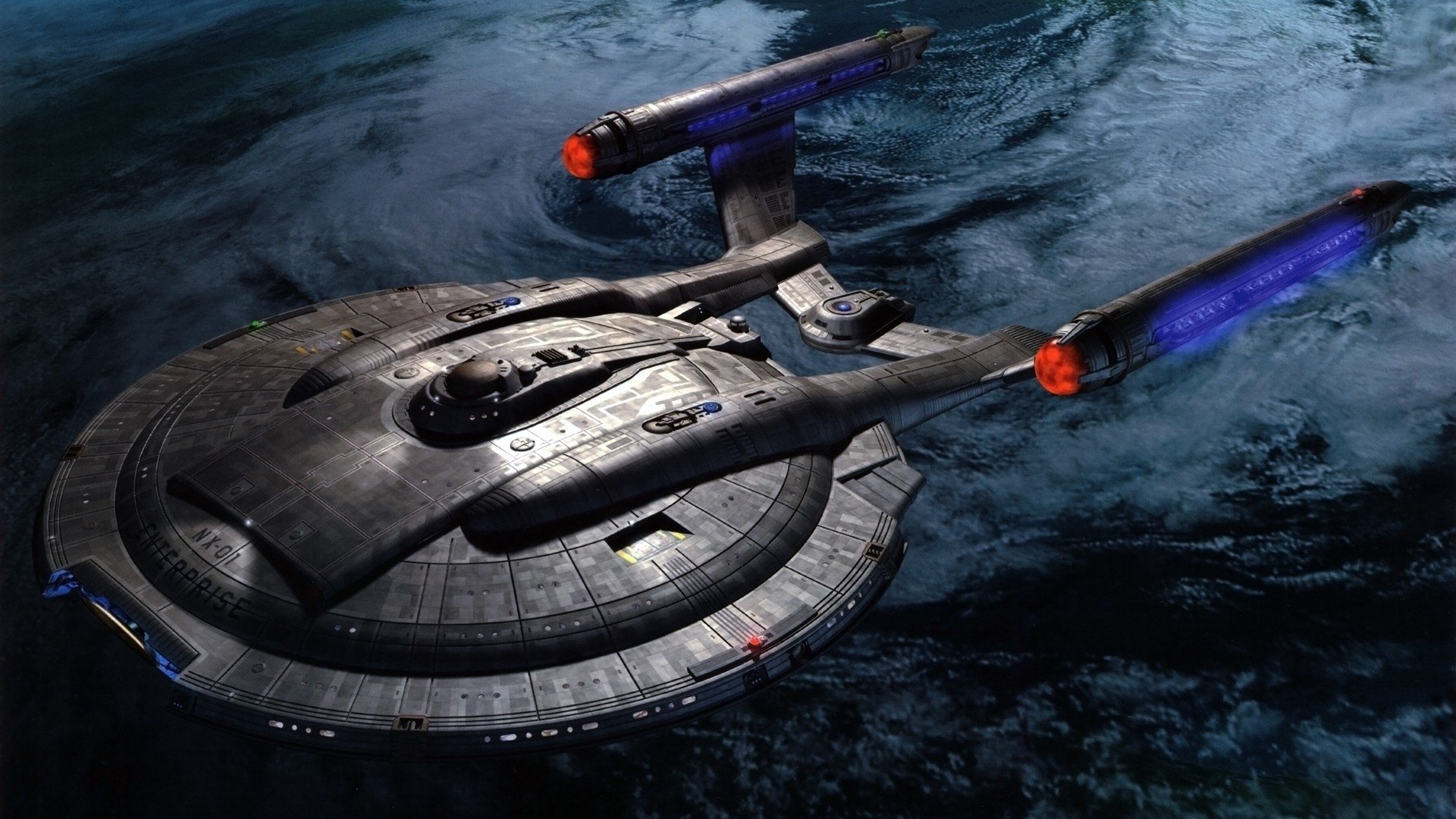
Production-wise, Enterprise has that familiar late-era Trek feel: excellent starship design, crisp uniforms, and a blend of practical sets and digital effects that mostly hold up today. Much of it is still very “soundstage Trek” — you can practically hear the hum of the lighting rigs if you squint hard enough — but there are some refreshing moments of location shooting that give the series a little extra scope. CGI had come a fair way since Voyager, and while the alien fleets and warp fly-bys don’t have the photorealism of modern Trek, they still look gloriously slick, full of that utopian optimism that Starfleet design has always carried.
The cameos for Trek veterans are a treat for the long-time faithful. Ethan Phillips popping up as a Ferengi is a delightful little twist, and Rene Auberjonois showing up as a “human” (albeit one that’s not entirely what he seems) is oddly comforting if you’re used to him as the changeling Odo. And then there’s Jeff Combs — the man who seems to have made it his mission to appear in as many different alien foreheads as Trek will let him — bringing Andorian Commander Shran to life with a mixture of honour, sarcasm, and antenna-waggling gravitas. Frankly, there’s no such thing as too much Combs in Star Trek, and his episodes instantly give Enterprise an energy boost. I hope he pops up in Strange New Worlds as some kind f mad alien – that’d be great (CBS listen up!)
Looking back, it’s clear Enterprise was always swimming against a tide of high expectations. It arrived at a time when the Trek formula was considered worn, where audiences wanted something bolder or grittier. But watching it now, without the pressure of weekly network ratings and fan forum flame wars, it’s easier to appreciate it as a quieter, more deliberate prequel — a bridge between the Starfleet that was and the Federation we know. The first two seasons might not have been universally loved, but they laid the groundwork for arcs, relationships, and ideas that would bloom later.
For all its perceived faults, Enterprise earns its place in the franchise. It may never be the crown jewel of the Trek pantheon, but it’s a series that feels like Star Trek, through and through — hopeful, flawed, and endlessly curious about what’s out there. In hindsight, that might be the highest praise any Trek can get.
This review will be updated once the season 3 & 4 rewatch has been finished, to round out this Trek classic!