When The Catherine Tate Show first aired, the age of the traditional British sketch show seemed to be fading into memory. The glory days of the format had arguably peaked in the 90s, when shows like The Fast Show and Big Train thrived on quickfire gags and recurring favourites. By the early 2000s, sketch comedy was seen by some as tired, a relic of a previous era. Yet here came Catherine Tate, working alongside writer Derren Litten, to prove there was still life in the old beast. With a fearlessness that combined broad appeal and sharp writing, they assembled a collection of characters who would secure their place in British pop culture for years to come.
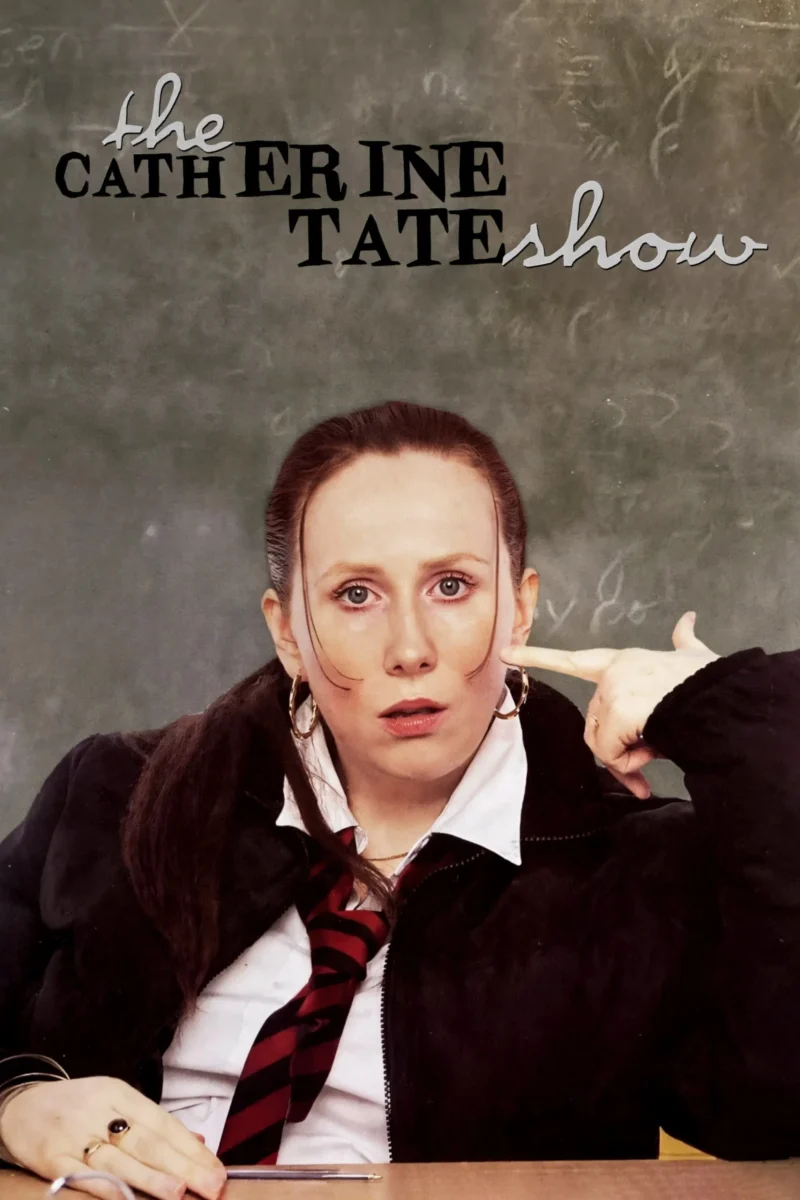
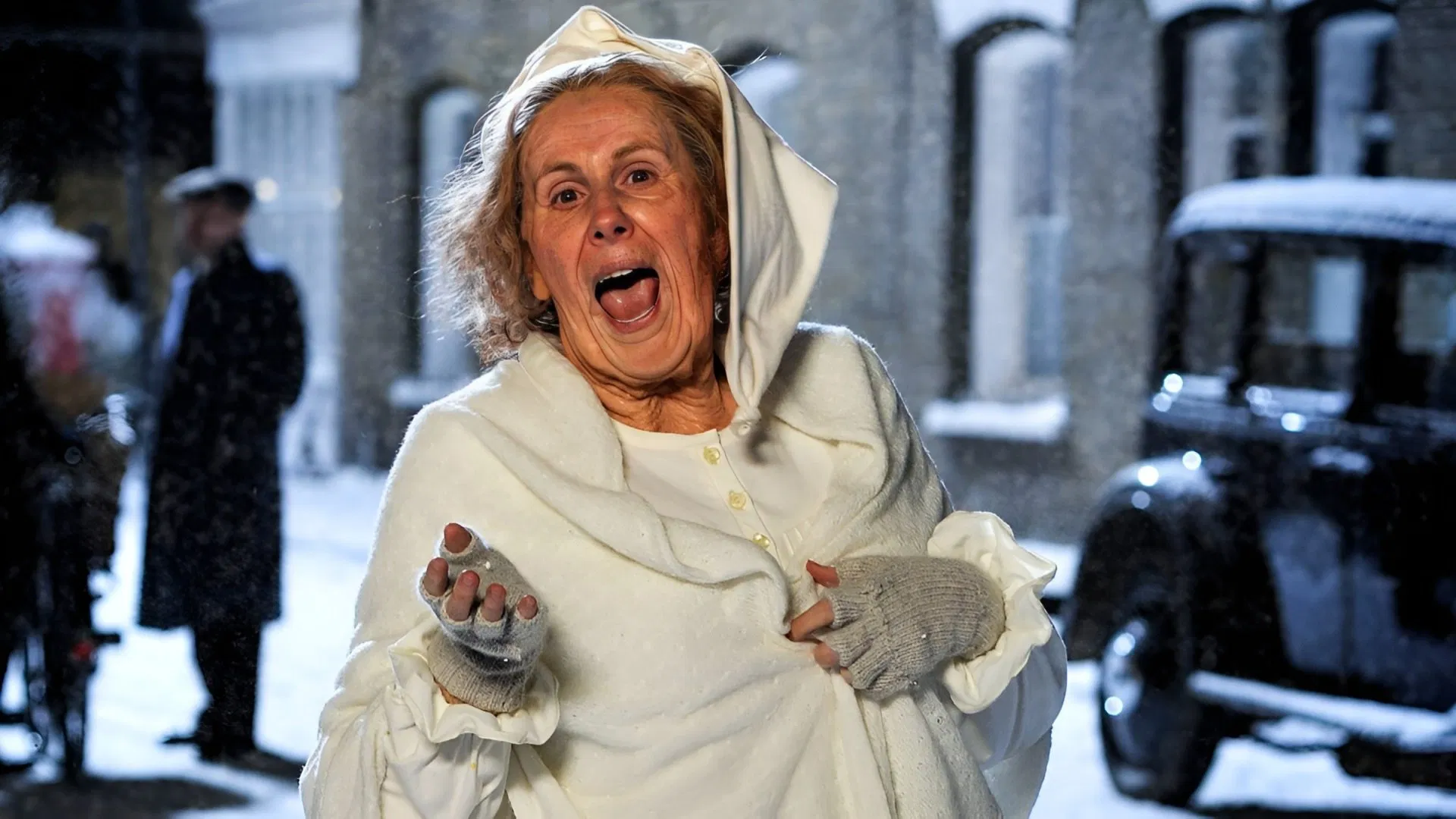
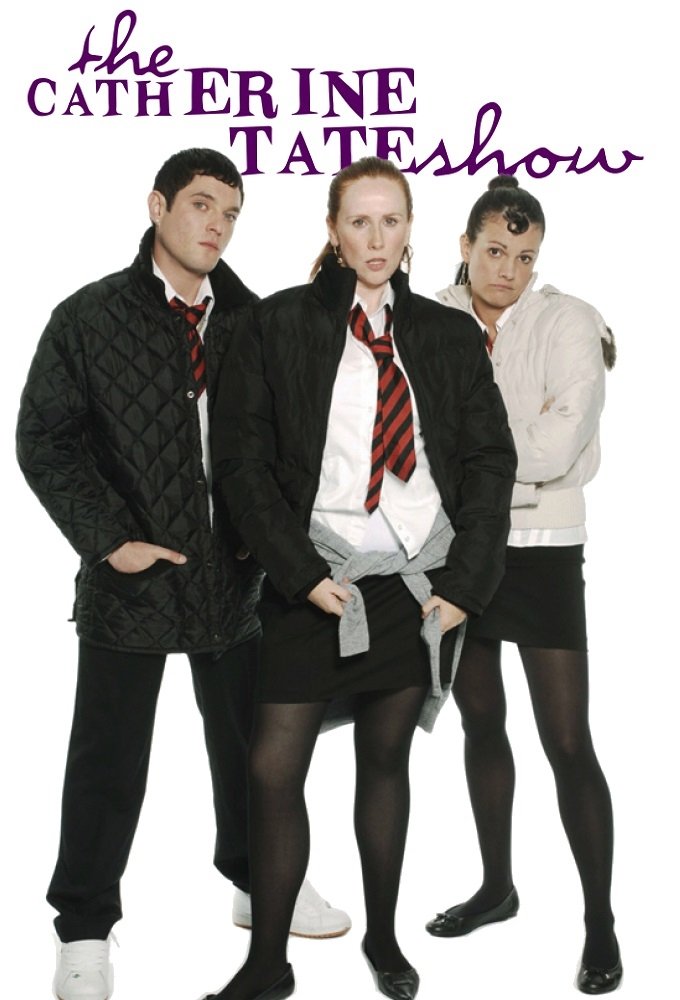
At the centre is Tate herself, an actor of astonishing range and precision. Her most famous creations — Nan and Lauren Cooper — have long since escaped the confines of the show to live on in wider public memory. Nan, the foul-mouthed, manipulative grandmother with a razor-sharp tongue, shifts from sweet old dear to venomous assassin in a heartbeat, dropping her signature “What a load of old shit” the moment her visitors are out of earshot. Lauren, meanwhile, became the face of teenage defiance in the mid-2000s, her “Am I bovvered?” catchphrase taking on a life of its own. Both characters work not just because of the writing, but because Tate embodies them so completely, making even the most exaggerated traits feel grounded in reality.
There are also gems that have never quite had the same mainstream reach but remain masterclasses in comic characterisation. The Aga Saga Woman sketches, in which a middle-class housewife suffers high-drama meltdowns over the smallest social discomforts, perfectly skewer a certain brand of suburban privilege. Watching her horror mount as she encounters the working class, poor weather, or even slightly under-steeped tea is a joy of escalating absurdity. Like the best sketch writing, it’s both absurd and oddly recognisable.
As with any sketch show, there are peaks and troughs. Some material feels like filler, sketches that probably earned more chuckles in the writers’ room than on screen. But the high points soar, and when the writing and performance align, The Catherine Tate Show achieves that rare feat of feeling timeless. There’s also the pleasure of spotting the seeds of future projects. Derren Litten’s later creation, Benidorm, is slyly teased in a “Bunty the Majorette” sketch with a throwaway mention of a holiday in Benidorm. It’s the kind of Easter egg that, in retrospect, feels like a knowing wink from the creators to themselves.
The guest appearances add another layer of enjoyment. Peter Kay’s turn alongside Nan remains a standout, his knack for timing blending effortlessly with Tate’s relentless energy. Keen-eyed viewers will also spot familiar faces who would later become regulars in Benidorm, making the series feel like a launchpad for a whole wave of British comedic talent. These cameos, far from feeling shoehorned, are woven naturally into the sketches, adding to the show’s rich tapestry without overshadowing its central star.
Looking back now, The Catherine Tate Show stands as proof that sketch comedy didn’t die with the 90s — it simply needed the right talent to breathe new life into it. Tate’s chameleon-like ability to transform herself across age, gender, and class makes her one of the finest character actors of her generation, while Litten’s sharp, sometimes deceptively simple writing gives her the perfect playground. The result is a show that not only survived in a time of dwindling sketch output but thrived, leaving behind a gallery of characters still quoted, referenced, and fondly remembered today. Frankly, three more series wouldn’t have been enough.