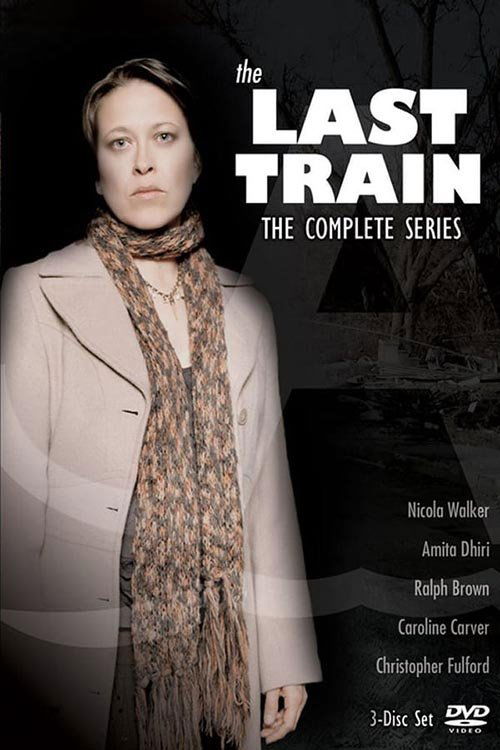
In the grand tradition of British sci-fi that trades lasers and hovercars for doom, dust and desperate conversations on morality, The Last Train rolls into the genre like a grim Northern prophecy. Broadcast in 1999 as a six-part series, this often-forgotten gem is a snapshot of millennial fears, bottled in soot, silence, and speculative science.
The premise is beautifully simple and unfathomably terrifying: a group of strangers on a regular passenger train wake up in the aftermath of an apocalyptic event. Their survival hinges not just on food or shelter, but on figuring out why they’ve woken up in the first place… and what’s left to wake up to. And here’s the first hook: the initial train crash, a slow-motion dream sequence of metal, fire and confusion, is absolutely gripping. Not just visually, but emotionally — it’s the everyday made alien, normality torn to shreds with no explanation offered (at first).
We won’t spoil what caused the societal collapse — partly because it’s a reveal best served cold, and partly because it’s not the strongest narrative string in the bundle. Let’s be honest: the reason behind it all is a little on the thin side. It feels like a placeholder that the writers hoped would evolve in future series. Sadly, that future never came. ITV’s knack for backing short-form brilliance but not believing in it long enough to develop a franchise rears its head here again. This show should have gone on. There’s so much hinted at — collapsed governments, pockets of survivors, the dark evolution of animals and humans alike — but most of it remains just out of reach. That’s not to say this is an unfinished story, it stands up well in its 6-hour (there abouts) format
What The Last Train does best, however, is sell the experience of survival. These aren’t muscle-bound chosen ones or bulletproof rebels — they’re teachers, parents, office drones, you’ll get no Chosen One here… There’s a constant sense of despair and danger, often delivered through muted performances and bleak landscapes. Rabid dogs roam derelict estates. Communities have dissolved into cultish hierarchies. The trauma isn’t just implied — it’s etched into every face, every decision.
A young Sacha Dhawan (yes, Doctor Who fans — that Master) is one of the show’s compelling early draws, alongside Nicola Walker, who as ever anchors the emotion with weary realism. Future Who alumni pop up here and there, giving the whole thing a strange retroactive prestige, like stumbling on a rough-cut of a sci-fi all-star origin story.
Tonally, it sits somewhere between Children of Men and the BBC’s The Changes, with just enough of a budget to pull off its visual ambition — and just enough script strength to carry its emotional weight. Yes, the plotting occasionally frays at the edges. Yes, there are some character arcs that disappear down the tracks never to return. But there’s a raw honesty to the writing and a groundedness to the way it depicts society’s slow, painful unraveling.
For years, The Last Train was a VHS-only ghost, rarely shown and harder to find than a tin of beans in post-apocalyptic Sheffield. But it’s had a modest resurrection on platforms like SyFy, ITVX, and the occasional free streamer if you know where to dig. And dig you should — this is a six-hour binge that leaves a bigger dent than you might expect.
If you like your sci-fi bleak, British, and quietly devastating, this one’s worth climbing back on the tracks for.
End of the line? Maybe. But for fans of moody, near-future collapse fiction, it’s still one hell of a ride.