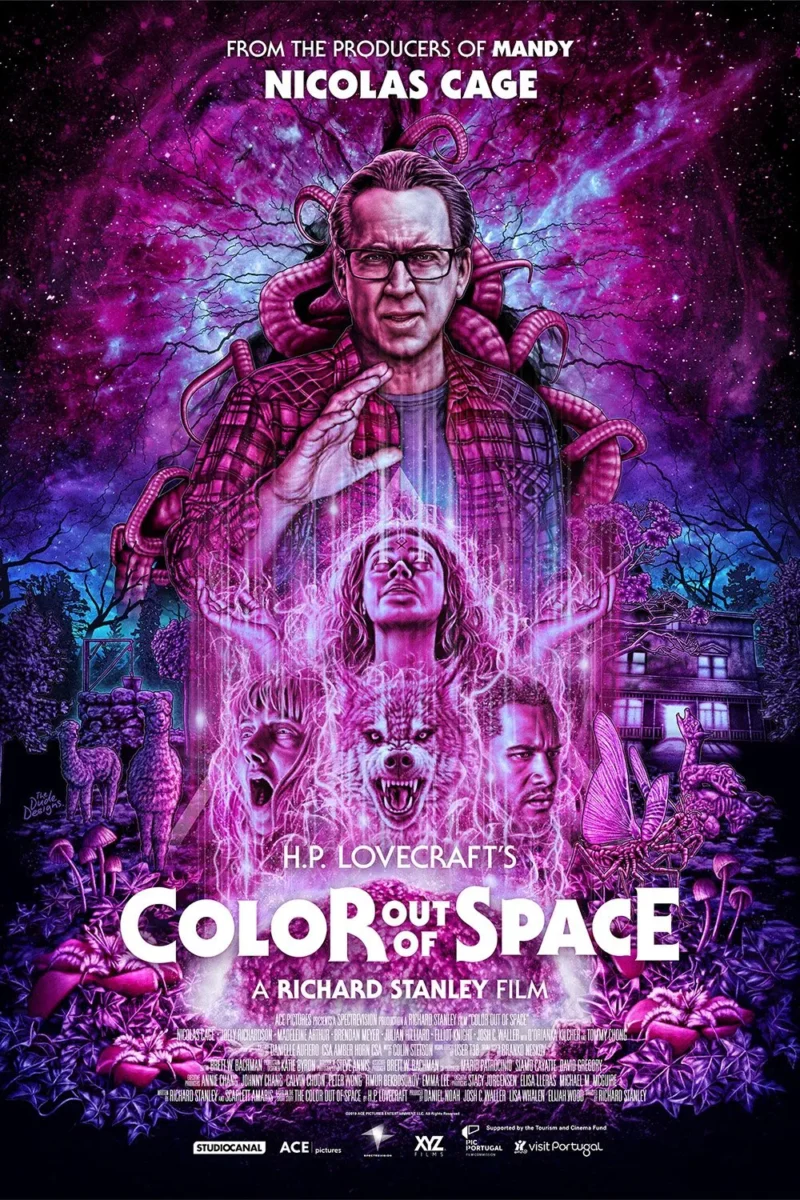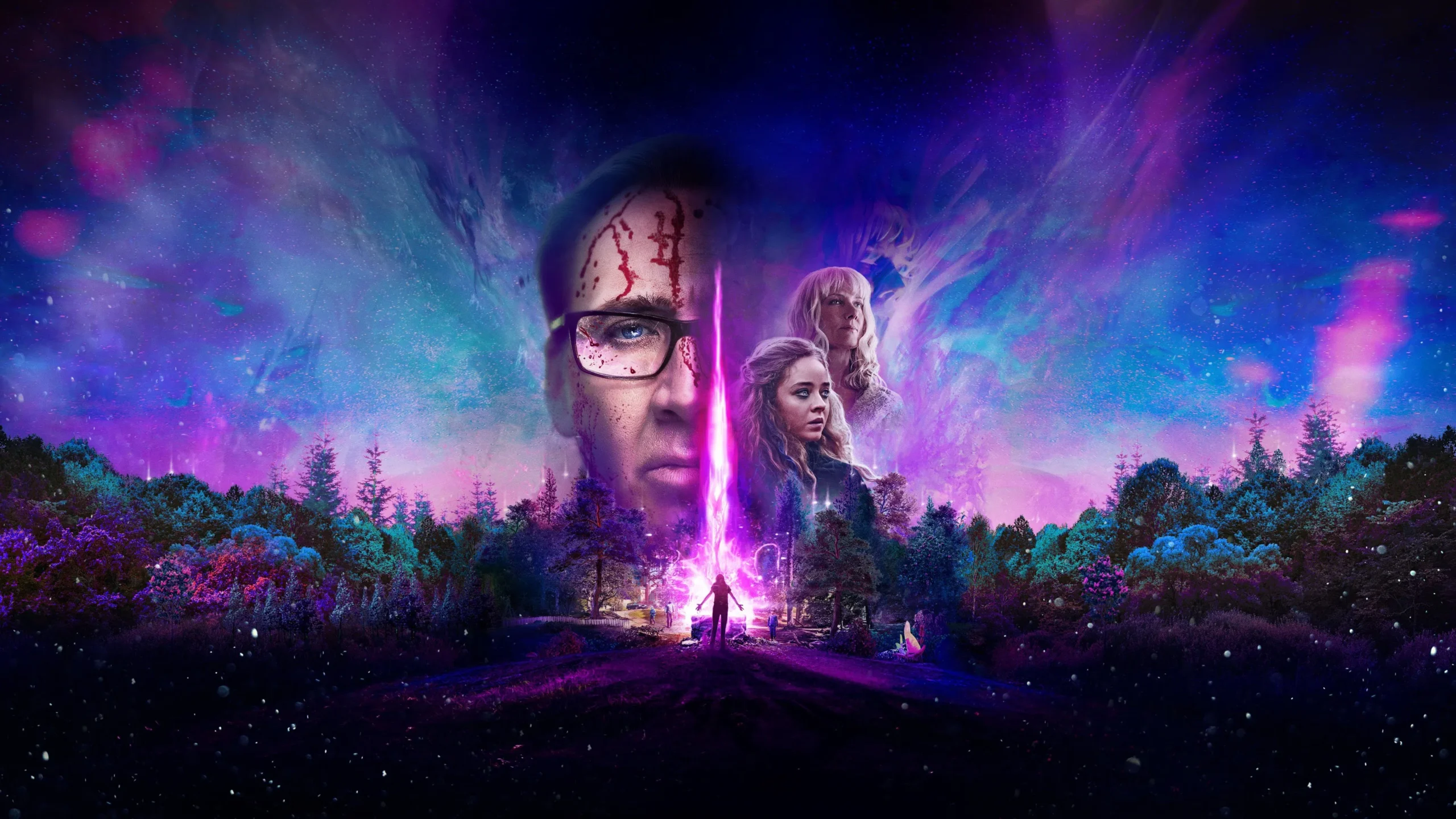
There’s something inherently brilliant about Nicolas Cage when he’s let off the leash, and Color Out of Space (2019) is exactly that playground. In recent years, Cage has been saddled with meme-worthy performances and questionable projects, but here he’s the perfect vessel for cosmic madness. As the patriarch of the Gardner family, he delivers a slow descent from quirky dad into full-blown, reality-bending lunacy with an intensity that feels both ridiculous and completely terrifying. Cage’s eyes practically sparkle with the neon pinks and purples of the alien contamination, and for once, his signature over-the-top delivery feels like it belongs in the story rather than fighting it.
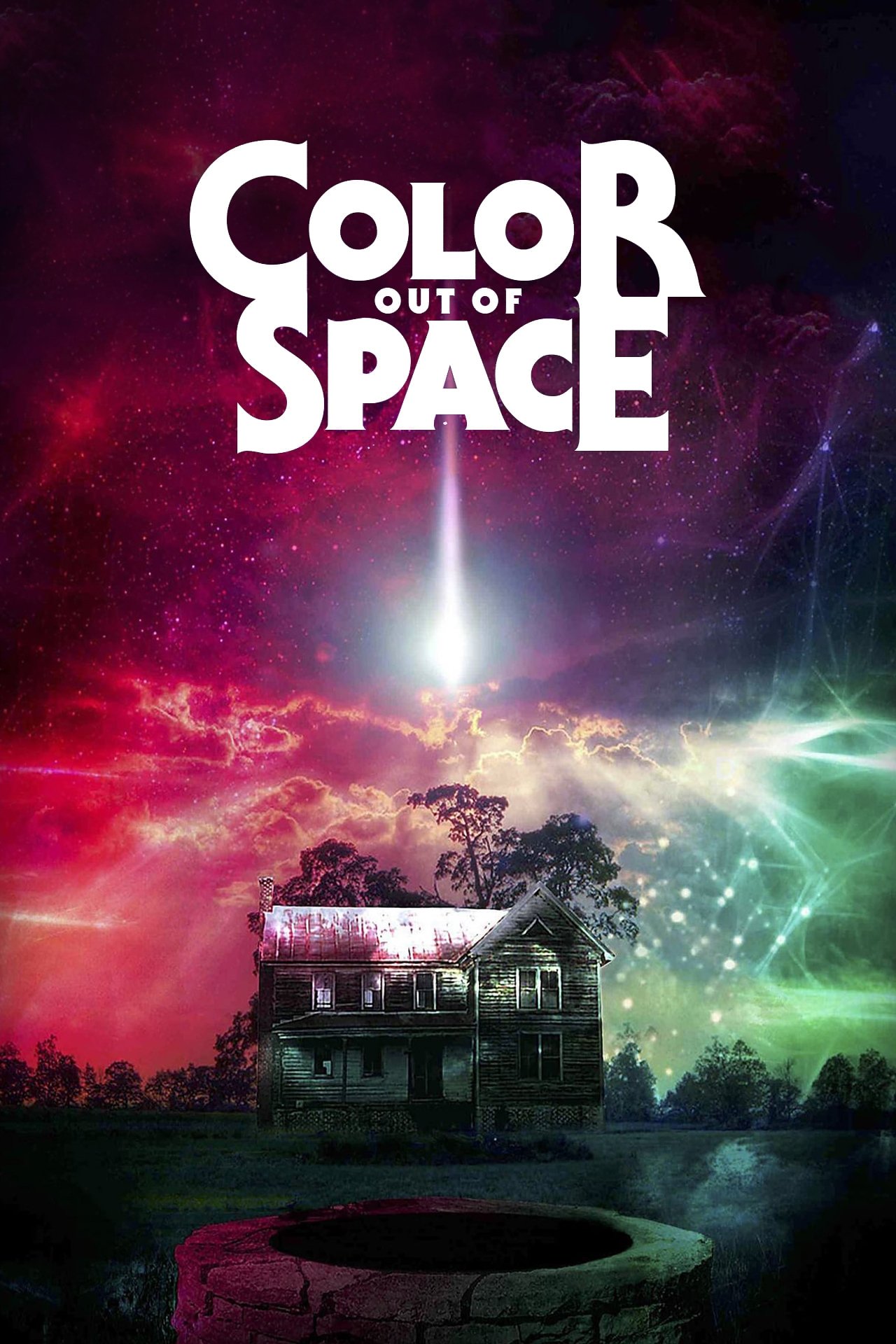
The film works as a bottle movie, the entirety of the Gardner family saga unfolding in and around their isolated homestead. This is classic Lovecraftian territory: a remote location, a strange visitor from the stars, and a family steadily unravelling as reality gives way to the incomprehensible. Director Richard Stanley (in his triumphant return to feature filmmaking) takes the basic framework of Lovecraft’s short story and injects a kaleidoscope of colour and a surprisingly heartfelt sense of dread. Early on, we get those nods to other Lovecraft locales—the weather report casually mentions Arkham, Kingsport, and Dunwich, which will delight fans who’ve dog-eared their Necronomicon paperbacks. Lavinia Gardner, dabbling in Wicca at the film’s start, feels like a modern reinterpretation, albeit a little cliche and on the nose, that winks at the original text, while also layering in that creeping sense of otherworldly inevitability.
Casting Tommy Chong as the resident squatter/hermit Ezra is a stroke of inspired madness that pays off perfectly. He’s the guy you just know has been warning the world about interdimensional horrors since the seventies, and watching him interact with alien color-soaked phenomena feels like he’s been preparing for this role his whole life. The rest of the cast—Joely Richardson, Madeleine Arthur, Brendan Meyer, and Julian Hilliard—do an admirable job grounding the story’s emotional core, giving the audience a family to care about as things spiral out of control. There’s a genuine sadness in watching the Gardners’ slow-motion collapse, which makes the bizarre and often grotesque body horror hit that much harder.
Speaking of grotesque, the creature and mutation effects are a real highlight. The creeping pink and purple hues aren’t just visually stunning; they signal contamination in the most Lovecraftian way possible—an alien influence we can see but will never fully understand. When the mutations start taking hold, it’s hard not to think of John Carpenter’s The Thing. From squirming fusions to impossible biology, the film channels that same gooey, grotesque body horror—even if Campbell’s novella Who Goes There? is a completely separate beast, maybe, Lovecraft’s mythos. That said, the spiritual kinship is undeniable: the horror of transformation, the fear of losing one’s humanity, and the queasy sense that the natural world has turned against you.
Stanley takes artistic license in adapting Lovecraft’s 1927 short story, leaning heavily into the visual medium in ways the original tale simply couldn’t. Lovecraft’s “colour” was famously beyond description, an alien hue the human eye couldn’t comprehend, but the film goes all in on a vibrant magenta/purple spectrum that pops against the dreary greens and browns of rural life because, after all, we cant really see purple…. Some purists might bristle at the Wiccan undertones and the modern teen rebellion angle, but they help bridge the gap between 1920s cosmic dread and contemporary horror audiences. This is a film that isn’t afraid to take liberties to make the story cinematic, and for the most part, it works. The pacing is methodical but never dull, ratcheting up the tension until the final act explodes in a crescendo of colour, light, and existential dread.
What ultimately makes Color Out of Space a solid adaptation is its ability to marry fidelity to Lovecraft’s core themes—insanity, isolation, and the incomprehensible nature of the universe—with the visceral language of modern horror cinema. The film makes you squirm, laugh nervously, and stare in awe at its glowing skies and writhing creations. It’s an experience that lingers like a bad dream and leaves you wishing more studios would take a chance on faithful-but-fresh Lovecraft adaptations. For those willing to embrace its pulsing neon weirdness, this is cosmic horror done right. A 7/10 trip into madness, and a vivid reminder that some colours are best left unseen.